

McKinney · Photo Preparation
How to Prepare a McKinney Home Office for Listing Photos
Show a home office clearly without exposing client records or inventing a room function. A practical preparation guide for McKinney listing photos.
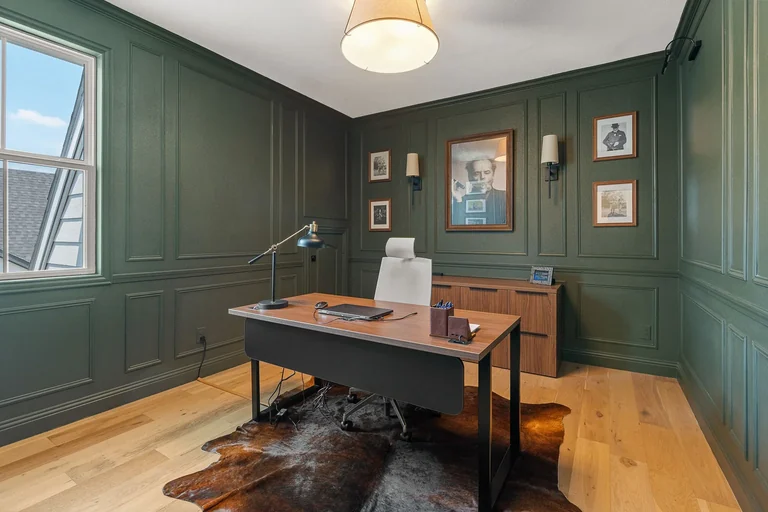
A home-office photograph should show the room's usable space, light, storage, and relationship to the rest of the house. For a McKinney listing, that can mean preserving a working desk while removing the private information and visual clutter that distract from the room.
You do not need to make the space look unused. Give the photographer a clean, truthful version of the way the room is set up.
Decide what the photograph needs to explain
Tell the agent and photographer whether the room is currently an office, study, or another flexible space. Use the approved listing description for its formal designation. A desk in a room does not establish bedroom eligibility, and a photograph cannot settle a question about permitted use.
Identify built-in shelves, storage, windows, or a separate entrance that should be visible. If a feature matters, put it on the shot list instead of assuming the camera will find it.
Clear the work surface without changing the room
Remove loose paper, shipping materials, spare chargers, and unrelated items. Keep a small number of objects that help explain the scale and purpose of the desk. Straighten chairs and give the floor around them a clear edge.
Do the cable management before the session. Moving a bundle of wires between every angle takes time and can leave the room looking different in adjacent photographs.
Remove private information from every direction
- Close or remove documents showing client names, addresses, financial details, or signatures.
- Check monitors, whiteboards, calendars, and framed certificates for information you do not want public.
- Put away access badges, keys, mail, and family schedules.
- Look for reflections in windows, cabinet glass, and desktop surfaces.
Use a secure place outside the planned coverage. A pile moved behind a glass cabinet or into an adjoining photographed room is still part of the visual record.
Prepare the lighting and doorway
Check that the intended lamps work and tell the photographer about any light that flickers or cannot be switched. Leave window-covering decisions consistent with the rest of the home and the photographer's plan.
Clear the doorway so the room's connection to the hall is easy to capture. If furniture is unusually heavy or fragile, discuss it beforehand; a photo appointment is not a furniture-moving service.
Review the result as a room, not a desk portrait
Check that the delivered sequence shows the space clearly and does not contain private details. If something is missing, describe the room and the specific issue rather than requesting a vague “better angle.”
Include the office and its important features in your FLM photography brief. For whole-home coverage and current size tiers, review the listing-media packages.